
Raising the visibility of IDPs: a case study of gender- and age-specific vulnerabilities among Ethiopian IDP adolescents
publication
Raising the visibility of IDPs: a case study of gender- and age-specific vulnerabilities among Ethiopian IDP adolescents
04.08.2019 | Ethiopia
Country
Ethiopia
Capability domains
Bodily integrity and freedom from violence
Audience type
Policy maker or donor, Programme designer or implementer, Researcher
Year of publication
2019
Study methodology
Qualitative
Authors
Nicola Jones, Workneh Yadete, Kate Pincock
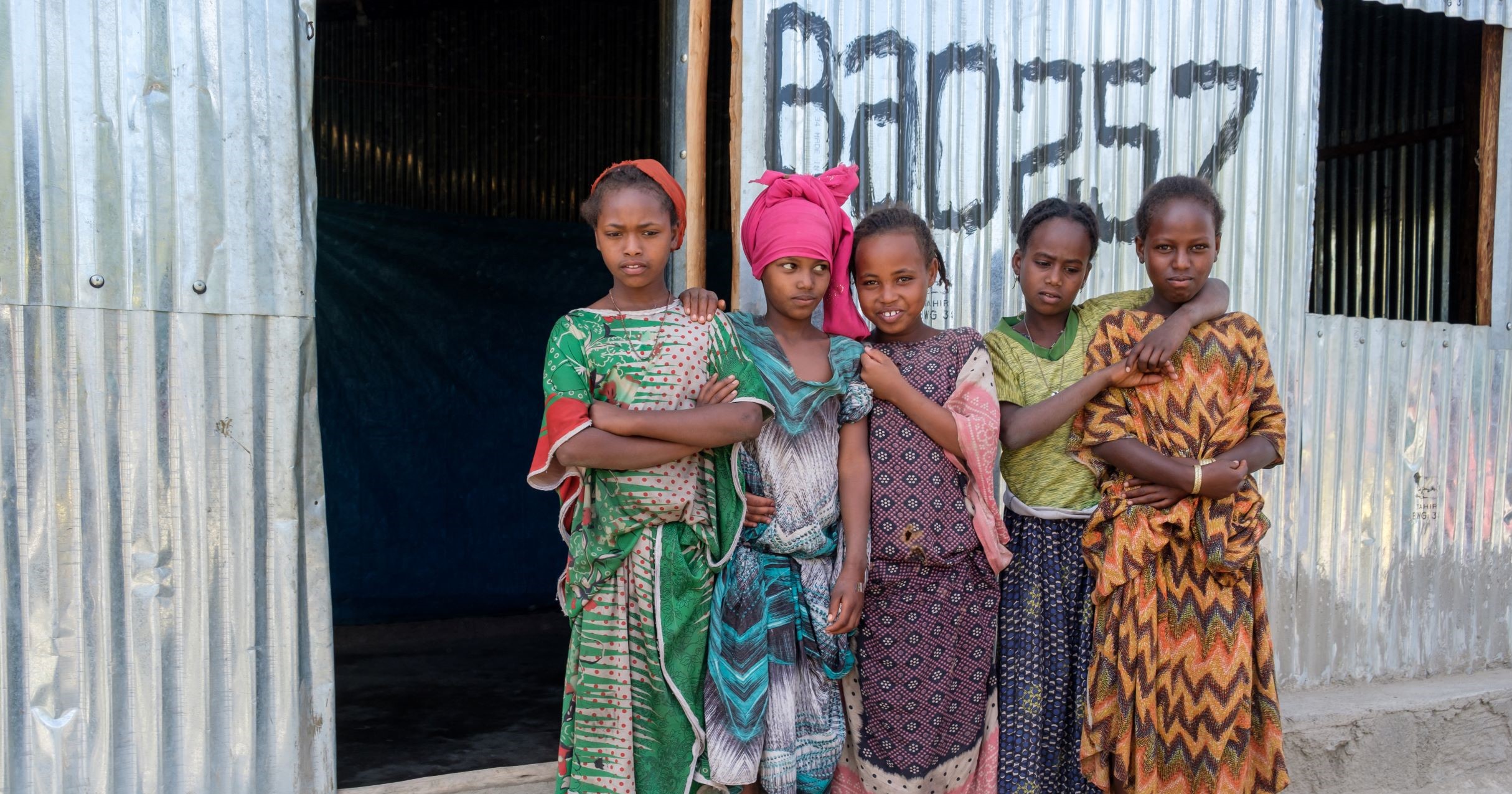
Over 1.39 million people were displaced in Ethiopia in 2018 – more than anywhere else globally during the same period. Many were displaced along the Oromia and Somali regional border, where tensions over the allocation of pasture and water resources are thought to have contributed to a sudden escalation of ethnic violence in late 2017 and over the first half of 2018. Since the violence began, however, there has been major political transformation in the country, spearheaded by new Prime Minister Abiy Ahmed. A new regional president has been appointed in Somali region, and a Ministry of Peace has been established in part to raise the visibility of the problems facing internally displaced people (IDPs), including the need for humanitarian assistance and the heightened risk of sexual and gender-based violence.
Suggested citation
Jones, N., Yadete, W. and Pincock, K. (2019) 'Raising the visibility of IDPs: a case study of gender- and age-specific vulnerabilities among Ethiopian IDP adolescents, Humanitarian Practice Network.' London: Overseas Development Institute. (https://www.gage.odi.org/publication/raising-the-visibility-of-idps-a-case-study-of-gender-and-age-specific-vulnerabilities-among-ethiopian-idp-adolescents/)