Exploring Nepali adolescents' gendered experiences and perspectives
publication
Exploring Nepali adolescents' gendered experiences and perspectives
08.10.2017 | Nepal
Country
Nepal
Capability domains
Bodily integrity and freedom from violence
Audience type
Policy maker or donor, Programme designer or implementer, Researcher
Year of publication
2017
Authors
Samuels, Ghimire, Tamang, Uprety
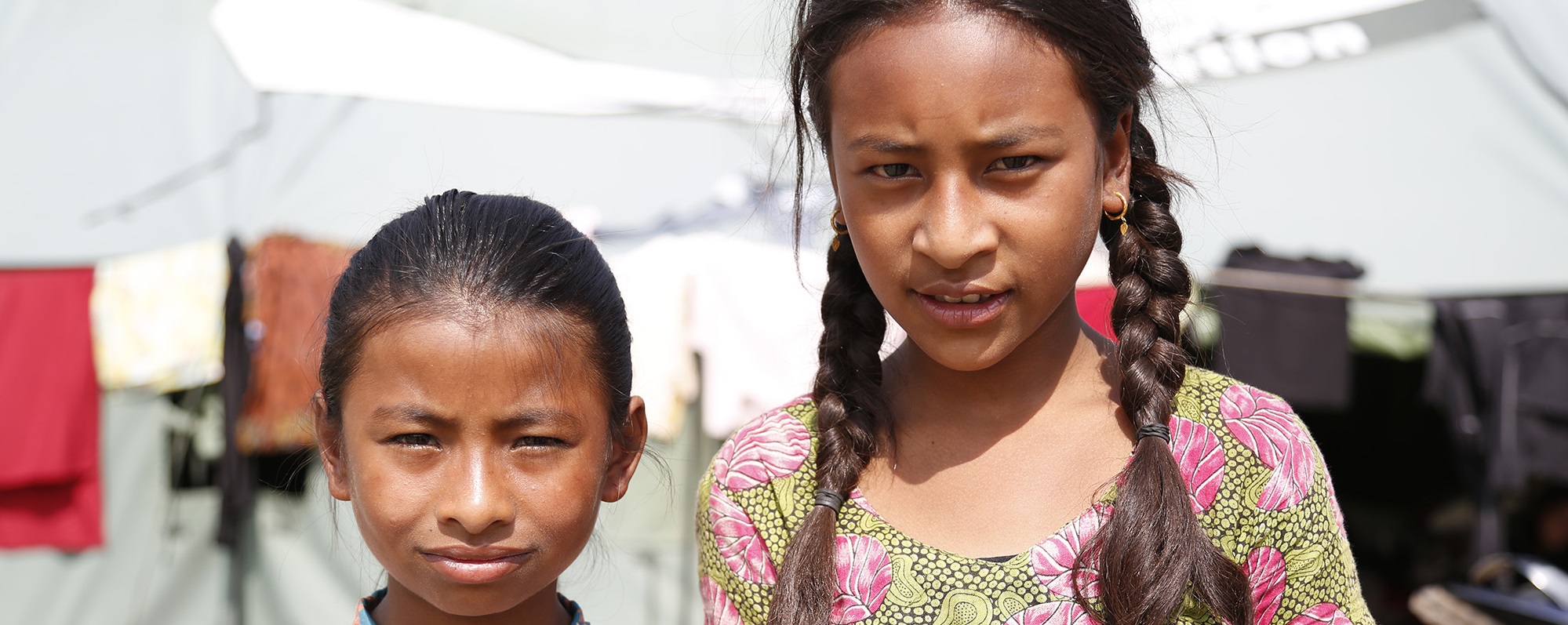
This brief summarises the findings of GAGE’s formative qualitative work in Nepal—which took place in 2016 in three contrasting districts: Kapilvastu, Makawanpur and Dang. Based on individual and group interviews with almost 500 people, approximately 300 of whom were adolescents between the ages of 10 and 15, we found that despite significant recent progress, adolescents’—especially girls’— capabilities continue to be truncated.
Primary enrolment rates are high in Nepal—with nearly all girls and boys enrolled in school. Furthermore, girls are now more likely than boys to attend, and complete, secondary school, largely because boys are pulled out of school to work. However, on most other fronts girls continue to face more pressures than boys. For example, they are still likely to marry as children, have high domestic workloads, face restrictions due to menstruation, and—due to social norms that dictate that girls must be sexually pure and subservient—face nearly constant judgement from their families and communities. Girls also have limited mobility and little access to decision-making.
Suggested citation
Samuels, F., Ghimire, A., Tamang, A. and Uprety, S. (2017) Exploring Nepali adolescents’ gendered experiences and perspectives. Report. London: Gender and Adolescence: Global Evidence. (https://www.gage.odi.org/publication/nepali-adolescents-gendered-experiences-and-perspectives/)