Addressing education challenges in Nepal: lessons from the GAGE study for the School Education Sector Plan (SESP)
publication
Addressing education challenges in Nepal: lessons from the GAGE study for the School Education Sector Plan (SESP)
27.10.2026 | Nepal
Country
Nepal
Capability domains
Education and learning
Audience type
Policy maker or donor, Programme designer or implementer, Researcher
Year of publication
2026
Study methodology
Mixed-methods


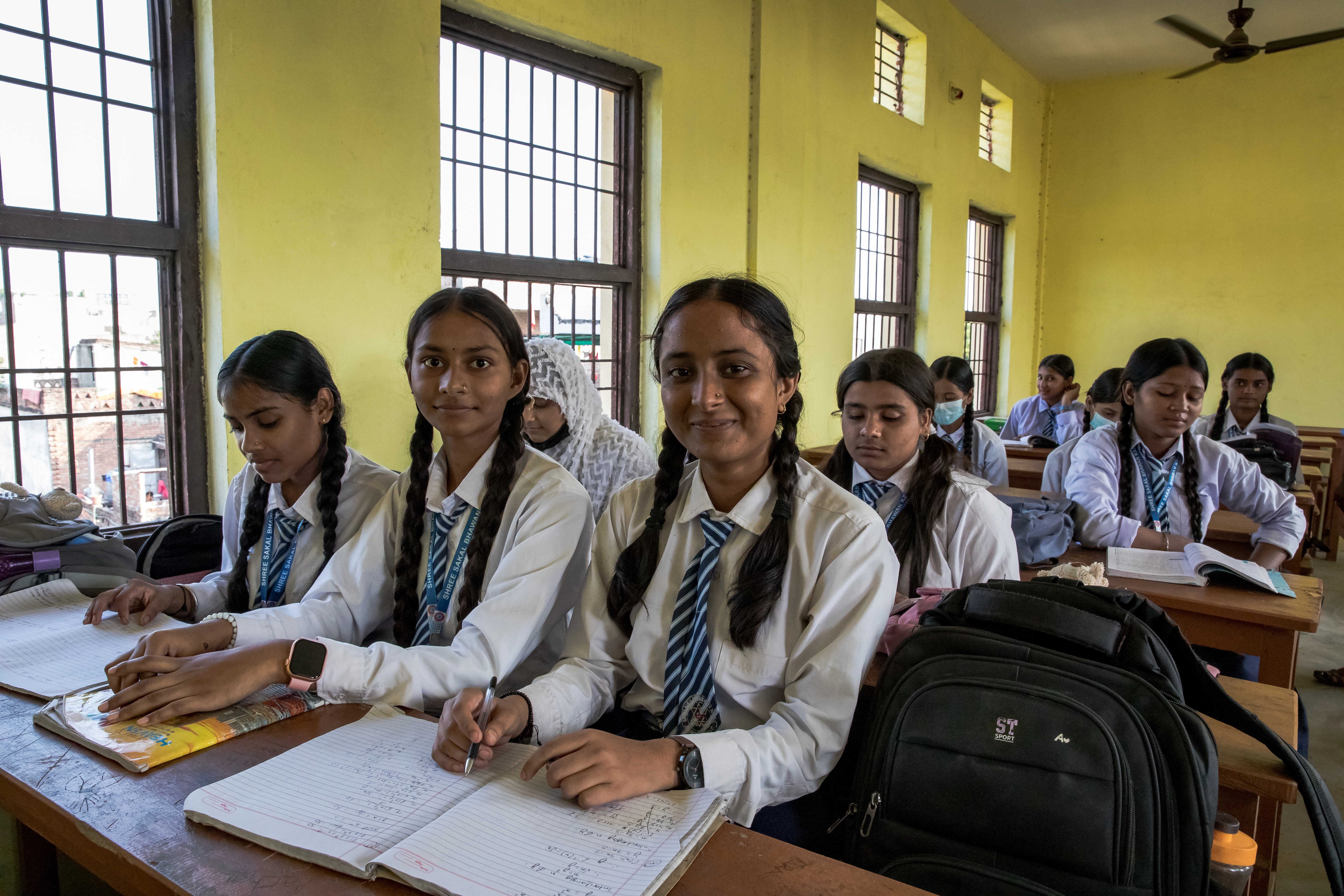
Nepal’s Constitution guarantees free basic and secondary education as a fundamental right of Nepali citizens. The United Nations (UN) highlights that education is the basis for guaranteeing the realisation of other rights (UNESCO, 2016). In its call to action to eradicate extreme poverty, protect the planet, and ensure global prosperity and peace by 2030, the UN places ensuring inclusive and equitable quality education and promoting lifelong learning opportunities for all as its fourth Sustainable Development Goal (SDG 4).
Suggested citation
Ghimire, A. and Jones, N. (2026) ‘Addressing education challenges in Nepal: lessons from the GAGE study for the School Education Sector Plan (SESP)’. Policy brief. London: Gender and Adolescence: Global Evidence (https://gage.odi.org/addressing-education-challenges-in-nepal-lessons-from-the-gage-study-for-the-school-education-sector-plan-sesp/)