Young people’s education: findings from GAGE multi-country longitudinal evidence
publication
Young people’s education: findings from GAGE multi-country longitudinal evidence
10.08.2026 | Cross-Country
Country
Cross-Country
Capability domains
Education and learning
Audience type
Policy maker or donor, Programme designer or implementer, Researcher
Data collection round
Endline
Year of publication
2026
Study methodology
Longitudinal
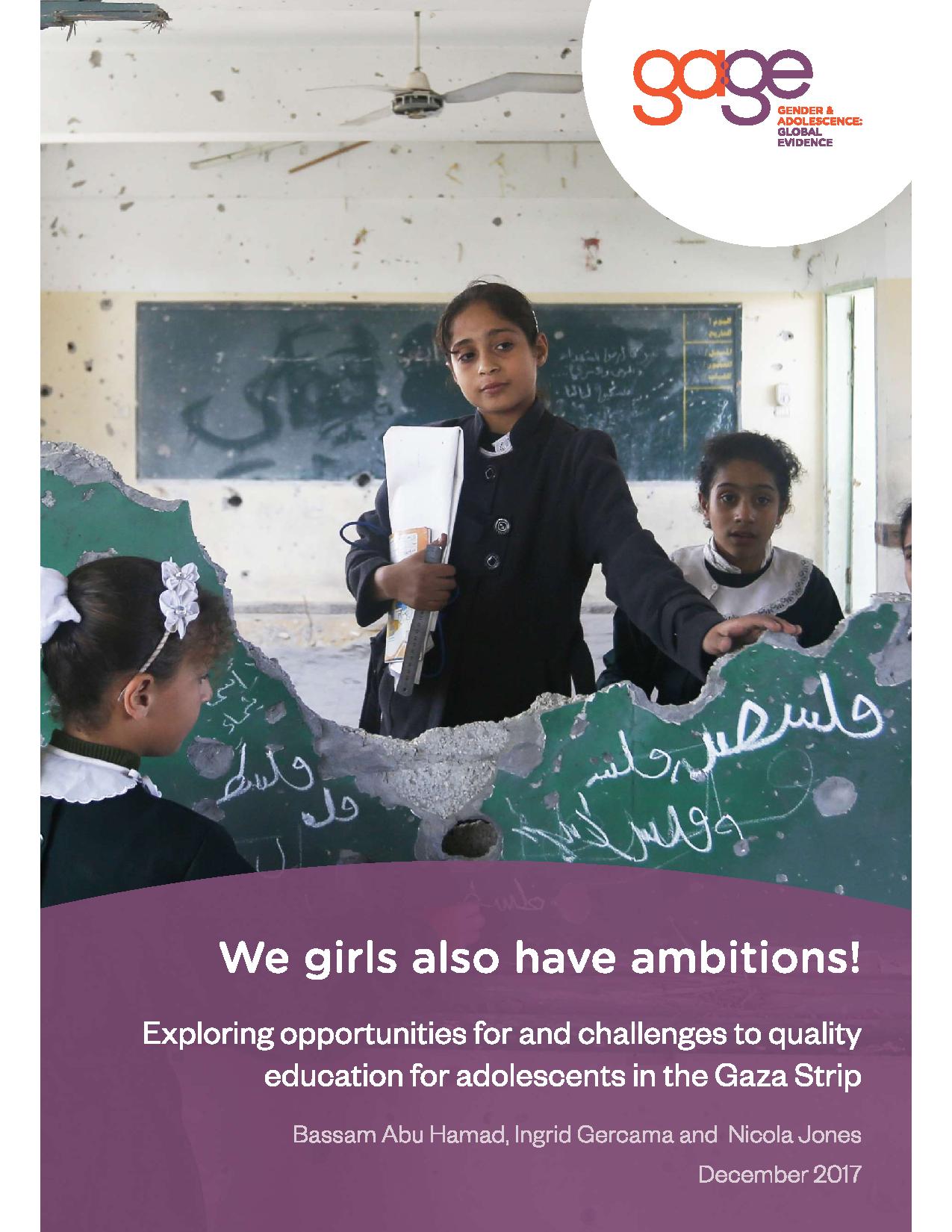
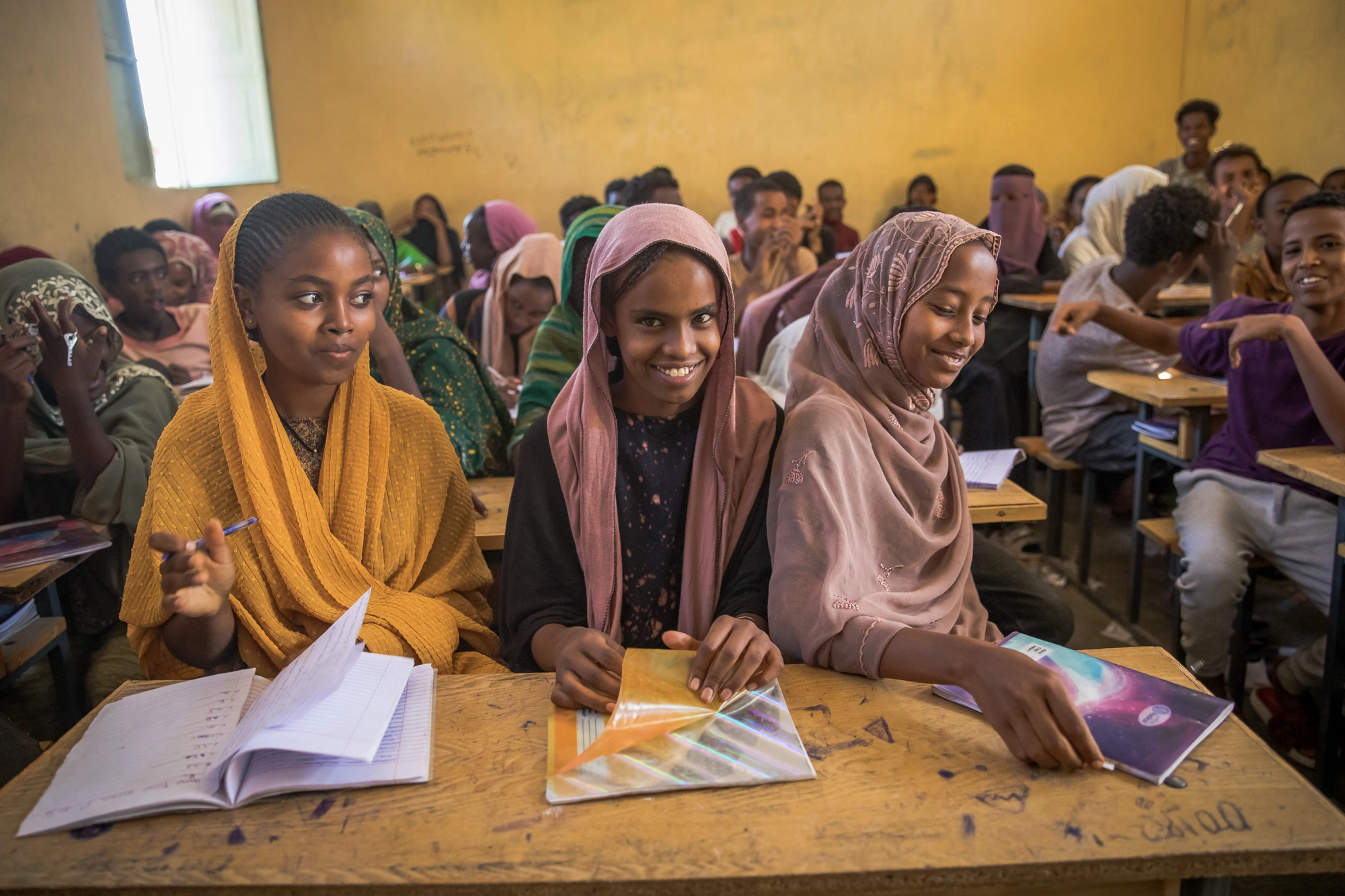
Education is among the most consistently documented pathways out of poverty, and eradicating poverty is foundational to the 2024 Pact for the Future, yet aggregate enrolment data – the figures most used in policy discussions – obscures as much as it reveals. To be meaningful, enrolment figures must be disaggregated and progression through grade levels must be coupled with attention to learning outcomes. If the international community is to ensure that all young people are supported to develop their full potential, more attention must be paid to meeting the needs of those most at risk of being left behind, including the poorest young people, those with disabilities, those impacted by conflict and forced displacement, and girls and young women who married as children.
Suggested citation
Presler-Marshall, E., Jones, N., Luckenbill, S., Seager, J., Leung, S., Abu Hamad, B., … and Youssef, S. (2026) Young people’s education: findings from GAGE multi-country longitudinal evidence. Report. London: Gender and Adolescence: Global Evidence (https://gage.odi.org/young-people-s-education-findings-from-gage-multi-country-longitudinal-evidence/)