
Interrogating the potential of a “cash plus” approach to tackle multidimensional vulnerability in humanitarian contexts: the case of Syrian refugees in Jordan
publication
Interrogating the potential of a “cash plus” approach to tackle multidimensional vulnerability in humanitarian contexts: the case of Syrian refugees in Jordan
26.10.2020 | Jordan
Country
Jordan
Capability domains
Economic empowerment
Audience type
Programme designer or implementer
Year of publication
2020
Authors
Bassam Abu-Hamad, Nicola Jones, Elizabeth Presler-Marshall, Fiona Samuels and Ingrid Gercama
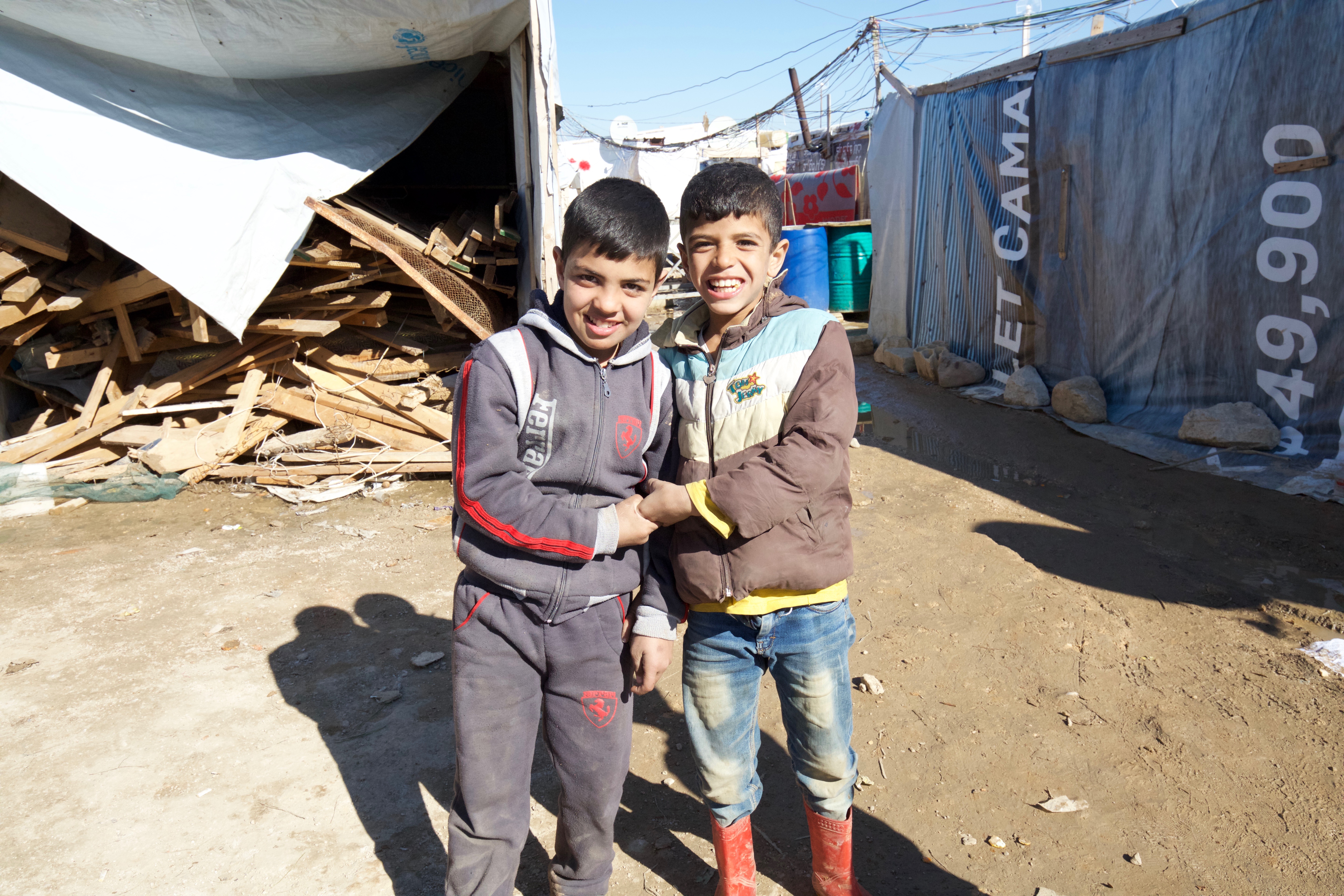
The 1.3 million Syrians living in Jordan face a highly uncertain future. They are unable to return home due to the unabated conflict in Syria and have very restricted employment options in Jordan. With savings and assets often depleted, and borrowing options largely limited to family and neighbours, UN social assistance (cash transfers and food vouchers) is frequently all that prevents tens of thousands of refugee families from descending into destitution. However, this assistance is increasingly jeopardized by budget cuts and donor fatigue. This chapter draws on primary mixed methods research carried out in 2016 and 2017 aimed at assessing the effects of cash assistance programmes available to Syrian refuges living in Jordan – one provided by the United Nations High Commissioner for Refugees (UNHCR) and another provided, to families with children, by the United Nations Children’s Fund (UNICEF).
Suggested citation
Abu Hamad, B., Jones, N., Presler-Marshall, E., Samuels, F. and Gercama, I. (2019) ‘Interrogating the potential of a “cash plus” approach to tackle multidimensional vulnerability in humanitarian contexts: the case of Syrian refugees in Jordan’ in Jawad, R., Jones, N., Messkoub, M. (eds.) Social Policy in the Middle East and North Africa: The New Social Protection Paradigm and Universal Coverage. Cheltenham: Edward Elgar. https://www.elgaronline.com/view/edcoll/9781786431981/9781786431981.00014.xml